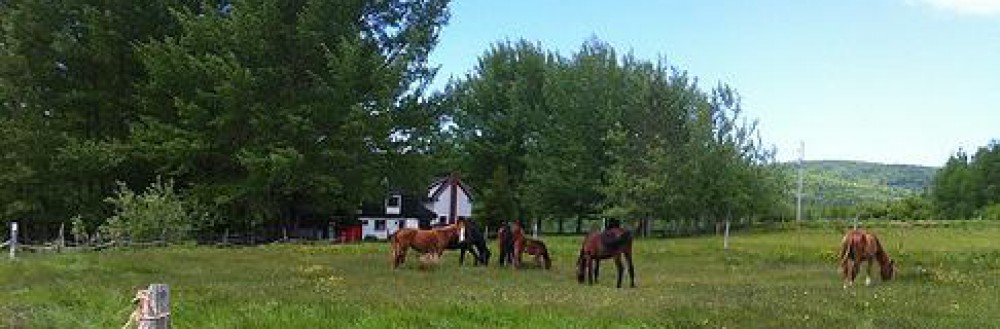
From the foal Nursery to University – A horse’s life
I believe strongly in the importance of working with the young horse. From the day after a foal is born to the day it is weaned, it is the breeder’s duty to start building the foal’s trust in humans. It is a stressful time for any foal to be weaned and the bond it has built with a person will help ease the change.
After being weaned the young horse should start learning. It doesn’t matter whether the horse is going to be a trail horse or a pet, a show jumper or dressage horse, a barrel racer or a reining horse. Like every child, a horse needs to learn the basics, build a trusting partnership with the owner and get prepared for the future.
The bond with the human partner needs to be grounded in a thorough upbringing of the young horse. These are the years where the horse learns to trust, respond and feel safe around people and new situations. Over the years I have encountered too many horses lacking those basic skills and it makes the life of the horse, the trainer and the owner a lot harder.
I learned a lot about handling young horses while I was working with racehorses and from the many horse people that I had the opportunity to learn from. Working with a young horse is amazing and it is one of my favourite things to do. There is little more satisfying than working with a young horse and seeing it respond to and enjoy everything you ask.
There are six phases that I work on with every young horse and I’ve had the opportunity to work through all phases with several young horses over the years. I am always considering what age the horse is and how much work the young mind can handle, because overworking the young horse will have the opposite affect. One of the things I consider most important is not moving on until I am satisfied that the horse has truly learned everything in each phase.
Foal Nursery:
Starting with the weanling, phase one includes strengthening its trust to people and the basics learned while still with the mare. This takes place over the first winter and should be concluded by the time the horse is about one year old.
Phase two expands on those basics and one major factor will be the separation from the herd for periods of times. We see it too often at shows and clinics that horses get anxious about being away from their home and horse friends. Summer is a fabulous time to work and strengthen all these things.
Pre School:
Phase three is what I call ‘trust’ work. At this age they are most open to new and ‘scary’ things – shy but curious, spooky but willing to trust. Most young horses are learning that work is actually fun and they are happy to follow you around and see what you have to offer. Their second winter is a great time for this work and I find it very helpful when they come into their ‘terrible’ two’s.
Phase four brings you through the next summer with lots of work outside, on riding trails and possibly away from their home. During this ‘accuracy’ phase the young horse is learning to be more sensitive to you and what you are asking for.
Elementary School:
Phase five is the time to develop ‘consistency’ in the work. The third winter will bring a great change in the young horse and you can see glimpses of the adult. This will the winter for working more regularly and reviewing everything that has been learned so far.
Phase six is the final step before mounting your horse. Getting used to the saddle and moving on balanced with it, getting used to a bridle and a bit, and establishing a routine for the working horse. There is a lot of work that can be done with the now three year old horse over the summer to make it a smooth transition to getting in the saddle. When the time is right for the first time to get in the saddle depends on the horse and waiting an extra month or two at this age doesn’t matter much. When done right it will go smoothly and by the fall of the third year, the young horse should be eager to work under saddle.
High School:
This is the time when a lot of people think the work starts, but we know that without a good set of basics it would be too overwhelming for the young horse. At this point the horse is about three and a half and is mentally and physically still growing. The transition from ground work to mounted work will be demanding on the horse and the first year under saddle should be taken with great consideration for the horse. Whenever I train a horse I am looking into the future and seeing a horse that will be still sound and happy in the late teens and twenty’s. Slow and steady will add years of fun and success for the horse and owner.
University:
Unlike a child, a horse will never leave university to get a job. It starts around the age of four and a half and it will only end with retirement. University is the horse’s ‘job’ and yes the owner pays for it. It is a journey that you take with your horse, always striving for perfection, but never forgetting the reason we do it. For the love of horses and the enjoyment of becoming one with our horse and have a trusting and loving partner who carries us on its back.
If you are interested in having your horse enter this program please feel free to contact me. I have limited room to accommodate a few young horses.
Sincerely,
Elke Kofahl
CB Acres/COMTACT